Why Scars Need Several Sessions and the Right Treatment Direction
1. Introduction
DIVA Skin Clinic Poipet
Acne scars are one of the most difficult skin concerns to treat because
they are not only marks on the surface of the skin. In many cases, acne
scars happen because deeper inflammation has damaged the skin structure
underneath. When the skin heals without enough collagen support, the
surface may become uneven, sunken, rough or textured.
Many clients expect acne scars to improve quickly after one treatment
session. However, acne scar treatment usually needs time because the
goal is not only to make the skin look smoother for a few days. The real
goal is to stimulate remodeling, improve skin texture, soften scar edges
and gradually support collagen rebuilding.
At DIVA Skin Clinic Poipet, acne scar treatment is planned based on scar
type, skin thickness, skin sensitivity, active acne, pigmentation,
recovery ability and the client's expected result. The treatment is not
selected only by machine name. CO2 laser, microneedling, RF, PRP,
skinbooster, peel or other methods are only tools. The right method
depends on the condition of the skin.
This article will help you understand why acne scars need a structured
treatment plan, why one session usually cannot fully remove scars, and
what to expect before starting acne scar treatment at DIVA Poipet.
Quick Navigation
1. What are acne scars?
2. Why do acne scars happen?
3. Acne scars vs acne marks
4. Common types of acne scars
5. Why acne scar treatment needs several sessions
6. Can acne scars be fully removed?
7. Acne scar treatment direction at DIVA Skin Clinic Poipet
8. When active acne should be controlled first
9. What to expect after one session
10. Homecare and aftercare after acne scar treatment
11. Mistakes that can make scars worse
12. Related services at DIVA Skin Clinic Poipet
13. For Indonesian Clients
14. FAQ
15. Contact DIVA Skin Clinic Poipet
2. What Are Acne Scars?
Acne scars are changes in the skin texture that remain after acne
inflammation has healed. Unlike acne marks, which are usually color
changes, acne scars affect the structure of the skin. They may appear as
holes, dents, uneven skin, rough texture or depressed areas.
Acne scars can make the skin look uneven even when there is no active
acne. Some scars are shallow and spread over a wider area. Some are
deep, narrow and difficult to treat. Some scars are attached underneath
the skin and make the surface look pulled down.
This is why acne scar treatment cannot be treated the same way as acne
marks or pigmentation. A brightening serum or light peel may help
post-acne dark marks, but true depressed scars usually need deeper
collagen stimulation and skin remodeling.
At DIVA Clinic Poipet, acne scar treatment starts by checking whether
the concern is really scar texture, acne marks, active acne, large
pores, or a combination of several problems.
3. Why Do Acne Scars Happen?
Acne scars usually happen after deeper or repeated inflammation damages
the skin. When acne is inflamed, swollen or painful, the surrounding
tissue may be injured. If the healing process is not strong enough or if
the acne is squeezed incorrectly, the skin may not rebuild smoothly.
Deep inflamed acne
Painful cystic acne or nodular acne can damage the deeper layers of the
skin. After healing, the skin may leave a dent or uneven texture.
Picking or squeezing acne
Self-squeezing can push inflammation deeper into the skin. It can also
break the surrounding tissue and increase the risk of scars and dark
marks.
Delayed acne treatment
If inflamed acne is not controlled early, repeated inflammation may
increase the chance of permanent texture changes.
Weak skin healing
Some clients naturally produce collagen more slowly or have weaker skin
recovery. Their skin may be more likely to leave scars after acne.
Repeated acne in the same area
When acne returns again and again in the same area, the skin may become
damaged over time. This can lead to rough texture and depressed scars.
Acne scars are not only a surface problem. This is the main reason
treatment often needs more than one session.
4. Acne Scars vs Acne Marks
Many clients confuse acne scars with acne marks. They are different
problems and need different treatment directions.
Acne marks
Acne marks are usually color changes after acne. They may appear red,
brown, dark or uneven. These marks are related to inflammation and
pigmentation. They may improve with time, sunscreen, brightening
support, peel, laser or suitable skincare.
Acne scars
Acne scars are texture changes. The skin surface may look uneven, sunken
or rough. These scars usually do not disappear with only brightening
products because the structure underneath the skin has changed.
Mixed cases
Many clients have both acne marks and acne scars. For example, the skin
may have dark spots, red marks, visible pores and depressed scars at the
same time.
In mixed cases, treatment should be planned carefully. If active acne
and inflammation are still present, the first step may be to control
acne before starting stronger scar treatment.
At DIVA Skin Clinic Poipet, this difference is important because
treating marks and treating scars are not the same.
> > At DIVA Skin Clinic Poipet, acne scar treatment is not selected by
> > machine name alone. The right direction depends on scar type, skin
> > condition, recovery ability and treatment goal.
5. Common Types of Acne Scars
Different scar types respond differently to treatment. Understanding
scar type helps set realistic expectations.
Ice-pick scars
Ice-pick scars are narrow, deep and sharp-looking. They may look like
small holes or deep pores. These scars are usually more difficult to
improve because they go deeper into the skin. They may need focused
treatment rather than only general resurfacing.
Boxcar scars
Boxcar scars are wider depressions with clearer edges. They may look
like small square or round dents. Some boxcar scars are shallow, while
others are deeper. They may respond to resurfacing, collagen stimulation
or combination treatment depending on depth.
Rolling scars
Rolling scars create a wavy or uneven skin surface. The skin may look
pulled down because of fibrous bands under the skin. This type may need
treatment that supports release, collagen remodeling and surface
improvement.
Shallow texture scars
Some clients do not have deep holes but have rough texture, visible
pores and uneven surface after repeated acne. These cases may improve
gradually with resurfacing, peel, microneedling, laser or skin quality
treatment.
Mixed acne scars
Most clients do not have only one scar type. Many people have a
combination of ice-pick scars, boxcar scars, rolling scars, large pores,
acne marks and uneven tone. This is why a single treatment method may
not be enough for all scar types.
6. Why Acne Scar Treatment Needs Several Sessions
Acne scar treatment usually needs several sessions because skin
remodeling is gradual. The skin needs time to respond, heal and rebuild
collagen.
Several sessions may be needed to:
- Stimulate collagen production.
- Improve uneven texture.
- Soften scar edges.
- Reduce the depth of depressed scars.
- Improve skin smoothness.
- Support skin recovery between treatments.
- Adjust treatment intensity based on skin response.
- Combine different methods for different scar types.
One session may make the skin look smoother or fresher, but deeper scars
usually will not disappear after one treatment. Scar improvement is
usually progressive, not instant.
At DIVA Poipet, we explain this clearly because unrealistic expectations
can lead to disappointment. Acne scar treatment should be understood as
a journey, not a one-time quick fix.
7. Can Acne Scars Be Fully Removed?
This is one of the most common questions.
The honest answer is: acne scars can often be improved, but full removal
is not always realistic. The level of improvement depends on scar type,
scar depth, skin condition, treatment method, number of sessions and
aftercare.
Shallow scars may improve more easily. Deep ice-pick scars or long-term
tethered scars may need more sessions and combination methods. Some
scars can become softer, smoother and less visible, but may not
disappear completely.
A realistic goal is:
- Smoother skin texture.
- Softer scar edges.
- Less visible dents.
- Better skin quality.
- More even surface.
- Gradual improvement over several sessions.
At DIVA Skin Clinic Poipet, we prefer to set clear expectations before
treatment instead of promising perfect skin after one session.
8. Acne Scar Treatment Direction at DIVA Skin Clinic Poipet
At DIVA Skin Clinic Poipet, acne scar treatment is not planned by
machine name only. We look at the skin condition first.
The treatment direction may include three stages:
Stage 1: Control active acne and prepare the skin
If the skin still has active inflamed acne, strong scar treatment may
not be the first step. Treating scars while acne is still active may
increase irritation and the risk of new marks. The goal of this stage is
to control acne, reduce inflammation and prepare the skin for deeper
treatment.
Stage 2: Stimulate remodeling and improve texture
This is the main stage for acne scar improvement. Depending on the case,
treatment may include CO2 laser, microneedling, RF microneedling, PRP,
skinbooster, peel, subcision-style support or other suitable methods.
The goal is to stimulate the skin to rebuild and improve texture
gradually.
Stage 3: Maintain skin quality and protect results
After scar treatment, the skin needs support. Homecare, sunscreen,
recovery products and follow-up sessions help protect the result and
reduce the chance of pigmentation or irritation. This stage is important
because scar treatment is not only about the procedure. Recovery and
maintenance strongly affect the final result.
9. When Active Acne Should Be Controlled First
Some clients want to treat scars immediately, but still have many active
pimples. In this case, it may be better to control acne first.
Active acne should be considered first if:
- The skin has many inflamed pimples.
- Acne is painful or swollen.
- New acne keeps appearing.
- The skin is red and irritated.
- There is infection risk.
- The client keeps picking or squeezing acne.
- The skin barrier is weak.
If strong scar treatment is done too early, the skin may become more
irritated, and new acne may create new marks or scars.
At DIVA Clinic Poipet, the treatment order matters. Sometimes the best
first step is not the strongest scar treatment, but acne control and
skin stabilization.
10. What to Expect After One Session
After one acne scar treatment session, the skin may feel smoother,
tighter or fresher. Some clients may notice mild improvement in texture.
However, deep scars usually need time and several sessions.
Depending on the method used, normal reactions may include:
- Redness.
- Warm sensation.
- Mild swelling.
- Dryness or tightness.
- Small scabs or roughness after resurfacing.
- Temporary darkening in some treated areas.
- Mild peeling.
- Skin sensitivity for a few days.
The recovery time depends on treatment intensity, skin sensitivity and
aftercare.
One session is useful because it starts the remodeling process and helps
us understand how the skin responds. But for visible scar improvement,
several sessions are usually needed.
> > One session may start the remodeling process, but deeper acne scars
> > usually need several sessions and proper aftercare to improve
> > gradually.
11. Homecare and Aftercare After Acne Scar Treatment
Aftercare is very important for acne scar treatment. The skin is more
sensitive after resurfacing, microneedling, laser or collagen
stimulation treatment.
General aftercare tips:
- Keep the skin clean.
- Use gentle cleanser.
- Avoid scrubbing.
- Do not pick scabs or peeling skin.
- Avoid strong acids or retinol until advised.
- Use recovery products such as soothing or barrier-support care.
- Avoid strong sun exposure.
- Use sunscreen daily.
- Avoid makeup for the recommended period if the skin is open or
irritated.
- Do not do another strong treatment too soon.
- Contact the clinic if there is unusual pain, swelling, pus,
blistering or prolonged redness.
Good aftercare helps reduce irritation, pigmentation risk and delayed
healing.
At DIVA Skin Clinic Poipet, aftercare guidance is part of the treatment
process, especially for clients doing CO2 laser, microneedling, RF or
other acne scar procedures.
12. Mistakes That Can Make Scars Worse
Treating scars while acne is still uncontrolled
If new inflamed acne keeps appearing, new scars may continue to form.
Acne control should not be ignored.
Picking the skin after treatment
Picking scabs or peeling skin may increase the risk of pigmentation,
delayed healing or scars.
Not using sunscreen
After scar treatment, the skin is more sensitive to sunlight. Without
sunscreen, dark marks may become worse.
Using strong skincare too early
Acids, retinol, exfoliating products or whitening products used too soon
may irritate the skin and slow recovery.
Expecting one session to remove scars
Unrealistic expectations can make clients feel disappointed. Scar
improvement takes time.
Comparing with another client
Every scar is different. Results depend on scar type, skin condition,
number of sessions, healing response and aftercare.
Choosing treatment only by price
Scar treatment should be selected based on scar type and skin condition,
not only by the cheapest offer or machine name.
13. Related Services at DIVA Skin Clinic Poipet
Clients interested in acne scar treatment may also need:
- Acne Treatment.
- Acne Marks Treatment.
- Pore & Texture Treatment.
- CO2 Laser.
- RF Microneedling.
- Microneedling / Collagen Stimulation.
- PRP / Regenerative Support.
- Skinbooster.
- Sensitive Skin & Barrier Repair.
- Chemical Peel.
The suitable service depends on your scar type, active acne condition,
skin sensitivity and treatment goal.
14. For Indonesian Clients
Indonesian clients may also search acne scar treatment as perawatan
bekas jerawat di Poipet, treatment bekas jerawat Poipet, bopeng jerawat,
laser bekas jerawat, or klinik bekas jerawat Poipet.
DIVA Skin Clinic Poipet provides acne scar treatment guidance for
clients with depressed scars, rough texture, acne marks, large pores and
uneven skin after acne. You can contact us through WhatsApp or Telegram
before visiting DIVA Poipet.
15. FAQ
1. How much is acne scar treatment in Poipet?
The price depends on scar type, scar depth, skin condition, treatment
method and number of areas treated. At DIVA Skin Clinic Poipet, acne
scar treatment is selected after checking whether the skin has shallow
scars, deep scars, active acne, pigmentation or rough texture.
2. Where can I get acne scar treatment in Poipet?
You can contact DIVA Skin Clinic Poipet for acne scar treatment support
in Poipet, Cambodia. The clinic provides treatment direction based on
scar type and skin condition.
3. How many sessions are needed for acne scars?
Most acne scars need several sessions because collagen remodeling takes
time. Shallow scars may improve faster, while deep scars usually need
more sessions and combination treatment.
4. Can acne scars be fully removed?
Some scars can improve significantly, but full removal is not always
realistic. The goal is to make scars smoother, softer and less visible
over time.
5. Is CO2 laser good for acne scars?
CO2 laser may be useful for selected acne scars, rough texture and
resurfacing. However, it is not suitable for every skin condition. The
skin should be assessed first.
6. Is RF microneedling suitable for acne scars?
RF microneedling may help improve selected acne scars and skin texture
by supporting collagen stimulation. Suitability depends on scar type,
skin condition and treatment goal.
7. Why does acne scar treatment need several sessions?
Acne scars are structural changes in the skin. The skin needs time to
heal and rebuild collagen after each treatment session. This is why
results improve gradually.
8. Can I do scar treatment if I still have active acne?
It depends on the acne severity. If active acne is inflamed or
uncontrolled, acne control may need to come first before deeper scar
treatment.
9. What should I avoid after acne scar treatment?
Avoid sun exposure, picking, scrubbing, strong acids, retinol, harsh
skincare, makeup too early and other strong treatments unless advised by
the clinic.
10. Can acne scar treatment help large pores?
Some treatments for acne scars may also improve rough texture and
visible pores, but large pores and acne scars are not exactly the same
problem. The treatment plan should be selected after assessment.
11. Can acne marks and acne scars be treated together?
Sometimes yes, but the focus may need to be staged. Active acne, acne
marks and depressed scars may require different methods and different
timing.
12. Can I send my skin photo before visiting?
Yes. You can send your skin photo and main concern to DIVA Clinic Poipet
through WhatsApp or Telegram before visiting. Final treatment direction
is best confirmed after checking the skin directly.
15. Contact DIVA Skin Clinic Poipet
Need help choosing the right acne scar treatment?
Send your main concern or skin photo to DIVA Skin Clinic Poipet through
WhatsApp or Telegram. You can also check our location before visiting
DIVA Poipet.
WhatsApp: https://wa.me/855978557200
Telegram: https://divaskinclinic.com/contact/
Location: https://maps.app.goo.gl/BfeC7kUWTdHzpRsRA?g_st=ic
Chat with Us: Available on website if connected
DIVA Skin Clinic Poipet
Poipet, Cambodia
Open 08:00 AM – 12:00 AM (midnight) by appointment/contact first.
16. Contact DIVA Skin Clinic Poipet
You can contact DIVA Skin Clinic Poipet through WhatsApp or Telegram before visiting.
WhatsApp: +855 88 476 8999
Telegram: +855 88 476 8999
Acne Scar Treatment in Poipet
CO2 Laser, RF Microneedling & Scar Remodeling at DIVA Skin Clinic Poipet
1. Introduction
Introduction
Acne scar treatment in Poipet is one of the most requested services at DIVA Skin Clinic Poipet. Many clients living, working, or staying in Poipet struggle with acne scars that have been there for months or even years — and many have already tried products, facials, or home treatments without seeing a real difference.
If you are searching for acne scar treatment in Poipet, sẹo rỗ Poipet, bekas jerawat Poipet, skin resurfacing Poipet, CO2 laser Poipet, or RF microneedling Poipet — this article will help you understand what actually works, how treatment is planned at DIVA Skin Clinic Poipet, and what to expect from a realistic treatment course.
Acne scars are not just marks on the surface. In many cases, they are the result of deeper skin damage caused by inflammation. When the skin heals without enough collagen support, the surface becomes uneven, sunken, rough, or textured. This is why acne scar treatment is different from regular acne treatment — and why it needs a structured plan.
2. What Are Acne Scars? / Sẹo rỗ là gì?
Acne scars form when a breakout penetrates deeply into the skin and damages the tissue beneath. As the skin repairs itself, it may not produce the right amount of collagen — resulting in scars that appear sunken (atrophic), raised (hypertrophic), or darkened (post-inflammatory hyperpigmentation).
(Tiếng Việt) Sẹo rỗ hình thành khi mụn viêm ăn sâu vào da và làm tổn thương mô bên dưới. Khi da phục hồi không đủ collagen, bề mặt da trở nên lõm, gồ ghề hoặc thâm — tạo thành sẹo.
(Bahasa Indonesia) Bekas jerawat terbentuk ketika peradangan merusak jaringan kulit lebih dalam. Kulit yang sembuh tanpa cukup kolagen akan meninggalkan bekas berupa lubang, tekstur kasar, atau warna gelap.
At DIVA Skin Clinic Poipet, we assess your actual scar type before deciding any treatment. Different scars respond to different methods — choosing the wrong one wastes time and money.
3. Why Acne Scars Need More Than One Treatment
Many clients who visit DIVA Skin Clinic Poipet come with the expectation that one session of CO2 laser or RF microneedling will remove their scars completely. This is one of the most common misunderstandings about acne scar treatment in Poipet and anywhere else.
Scar remodeling is a biological process. It takes time because the skin needs to build new collagen, restructure damaged tissue, and gradually resurface the area. No single treatment — no matter how advanced — can fully skip this process.
Here is why multiple sessions are needed:
The skin can only tolerate a certain level of treatment at one time
Collagen rebuilding happens gradually — results continue improving weeks after each session
Different layers of the scar may need different approaches across sessions
Some clients also have active acne alongside scars — active acne must be controlled first
Skin sensitivity, recovery ability, and lifestyle all affect how quickly the skin responds
At DIVA Skin Clinic Poipet, we plan acne scar treatment as a program — not a one-time service. Each session is adjusted based on how your skin responds. Most clients need a minimum of 3–5 sessions to see meaningful improvement.
4. Types of Acne Scars — Which One Do You Have?
Understanding your scar type is important before starting any acne scar treatment in Poipet. Different scar types respond differently to different treatments.
Atrophic (Sunken) Scars — Most Common
Ice Pick Scars — Deep, narrow, sharp-edged pits. Difficult to treat. Respond best to TCA cross and subcision.
Boxcar Scars — Wide, shallow to medium depth with defined edges. Respond well to CO2 laser and RF microneedling.
Rolling Scars — Wavy, uneven surface caused by fibrous tissue pulling the skin down. Respond well to subcision and RF microneedling.
Hypertrophic / Keloid Scars — Raised
Raised scars that form when the skin overproduces collagen. More common on the chest, back, and jawline. Require different treatment — usually combination of injection and laser.
Post-Inflammatory Hyperpigmentation (PIH) — Dark Marks
Flat dark marks left behind after acne heals. Not true scars — but often confused with scars. Respond well to Pico laser, brightening meso, and chemical peel.
At DIVA Skin Clinic Poipet, we assess your scar type directly at the clinic before recommending any treatment method. We do not recommend CO2 laser or RF microneedling for all scar types — suitability is confirmed first.
5. Treatment Methods at DIVA Skin Clinic Poipet
DIVA Skin Clinic Poipet offers several acne scar treatment methods. The method chosen depends entirely on your scar type, skin condition, sensitivity, and treatment goal — not on trend or promotion.
CO2 Fractional Laser
CO2 fractional laser is one of the most effective treatments for acne scars in Poipet. It works by creating controlled micro-columns of damage in the skin, triggering the body's healing response to produce new collagen and resurface the skin gradually.
Best for: Boxcar scars, rolling scars, rough texture, skin resurfacing
Recovery time: 3–7 days of redness and peeling
Sessions needed: 3–5 sessions minimum, spaced 4–6 weeks apart
RF Microneedling
RF microneedling delivers radiofrequency energy into the deeper layers of the skin through fine needles. It stimulates collagen production, improves skin texture, tightens pores, and gradually softens scar edges.
Best for: Rolling scars, pores, skin texture, early boxcar scars
Recovery time: 1–3 days of mild redness
Sessions needed: 3–6 sessions, spaced 3–4 weeks apart
Chemical Peel for Acne Scars
Medical-grade chemical peels help resurface the top layers of skin, improve pigmentation, and gradually soften shallow scars. At DIVA Skin Clinic Poipet, peels are selected based on your skin type and scar depth.
Best for: Mild acne scars, post-acne marks, uneven texture
Skinbooster + PRP Support
Skinbooster and PRP (platelet-rich plasma) injections support healing, hydration, and collagen stimulation alongside resurfacing treatments. Often combined with CO2 laser or RF microneedling for better recovery and results.
Combined Approach
Most clients at DIVA Skin Clinic Poipet benefit from a combination of methods within the same session or across sessions — for example, CO2 laser + brightening meso, or RF microneedling + skinbooster. The combination is selected by the clinic based on your skin assessment — not by client request.
6. How Many Sessions Are Needed?
There is no fixed number of sessions that guarantees acne scar removal. Results depend on your scar type, depth, skin sensitivity, lifestyle, and how consistently you follow aftercare.
At DIVA Skin Clinic Poipet, a typical acne scar program starts with 5 sessions:
Each session is assessed and adjusted based on how your skin responds
Some clients need additional sessions after the initial course
Session spacing: typically 3–6 weeks between sessions depending on method
Clients searching for acne scar treatment results Poipet, how many sessions for acne scars, CO2 laser before and after Poipet — the honest answer is: most clients see visible improvement after 3 sessions, and more significant improvement after completing a full 5-session course.
7. What to Expect Before and After Treatment
Before Treatment:
Skin assessment and consultation at DIVA Skin Clinic Poipet
No active acne — if acne is still active, it must be controlled first
Avoid sun exposure and tanning 2 weeks before laser or microneedling
Inform the clinic about all skincare products, medications, and medical history
No retinol or strong active ingredients 5–7 days before treatment
After Treatment (CO2 Laser):
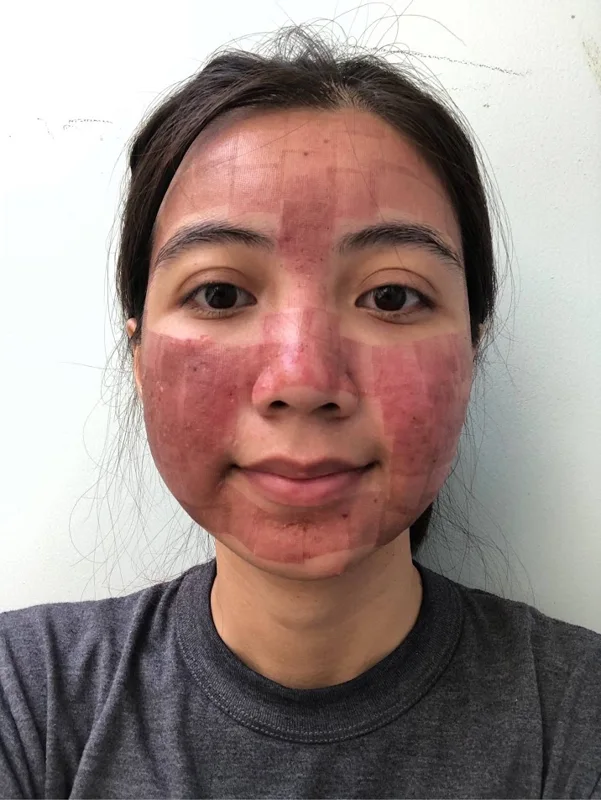
Day 1–2: Redness, warmth, swelling — this is normal
Day 3–5: Skin begins to peel and flake — do not pick
Day 5–7: New skin emerges — skin may look brighter and smoother
Week 2–4: Collagen continues building — improvement is progressive
Sun protection is mandatory — use SPF 30–50 every day
8. Aftercare — What You Must Do at Home
Aftercare after acne scar treatment in Poipet directly affects your final result. At DIVA Skin Clinic Poipet, we provide detailed aftercare guidance after every session.
Use only the products recommended by DIVA Skin Clinic Poipet during the healing period
Apply sunscreen SPF 30–50 every morning — even when staying indoors
Do not pick, scratch, or peel healing skin
Keep skin hydrated — use a gentle, fragrance-free moisturizer
Avoid swimming pools, saunas, and steam rooms for 7–14 days after laser
Avoid strong active ingredients (retinol, AHA/BHA, vitamin C) until skin is fully healed
9. Who Is This Treatment For?
Acne scar treatment at DIVA Skin Clinic Poipet is suitable for:
Clients with post-acne scars — boxcar, rolling, ice pick, or mixed scar types
Clients with rough or uneven skin texture from previous acne
Clients with dark marks or hyperpigmentation from healed acne
Vietnamese clients in Poipet searching for: trị sẹo rỗ, laser sẹo rỗ, điều trị sẹo mụn Poipet
Indonesian clients searching for: bekas jerawat Poipet, laser bekas jerawat, klinik kulit Poipet
Filipino clients searching for: acne scar removal Poipet, skin clinic Poipet, CO2 laser Cambodia
Cambodian local clients searching for: skin treatment Poipet, scar treatment clinic Poipet
Treatment is NOT recommended for clients with:
Active, inflamed acne — acne must be controlled first
Active skin infection or open wounds in the treatment area
Pregnancy or breastfeeding
History of keloid scarring in the treatment area (assessment required)
Recent sunburn or damaged skin
10. Contact DIVA Skin Clinic Poipet
If you are ready to start acne scar treatment in Poipet, or if you have questions about which treatment is right for your scar type — contact DIVA Skin Clinic Poipet directly.
Send us a photo of your skin concern or describe your main concern on WhatsApp or Telegram. We will review and advise the most suitable treatment direction before your visit.
11. 📱 Contact Diva Skin Clinic Poipet
WhatsApp: +855 88 476 8999 | Telegram: +855 88 476 8999
Open: 08:00 AM – 12:00 AM (midnight) | By Appointment Only | Poipet, Cambodia
12. For Indonesian Clients
Indonesian clients living or working in Poipet are welcome at DIVA Skin Clinic Poipet. Our team can support consultation in English or Bahasa Indonesia so you can describe your skin concern clearly before your visit. If you are interested in Acne Scar Treatment in Poipet, you can send your question or a clear photo of your skin condition through WhatsApp or Telegram before coming to the clinic in Poipet, Cambodia.
13. Frequently Asked Questions (FAQ)
Q: Can acne scars be completely removed?
A: Most acne scars can be significantly improved, but complete removal is not always possible — especially for deep ice pick or keloid scars. The goal is visible improvement in texture, depth, and overall skin appearance. At DIVA Skin Clinic Poipet, we always communicate realistic expectations before treatment begins.
Q: Is CO2 laser safe for darker skin tones? (Indonesian, Filipino, Vietnamese, Cambodian clients)
A: CO2 laser can be used on medium to darker skin tones, but requires careful settings and experienced handling. At DIVA Skin Clinic Poipet, the laser settings are adjusted based on your skin tone and condition. If your skin is not suitable for CO2 laser, we will recommend a safer alternative such as RF microneedling or chemical peel.
Q: Sẹo rỗ có chữa khỏi hoàn toàn được không?
A: Sẹo rỗ có thể cải thiện đáng kể nhưng thường không biến mất hoàn toàn — đặc biệt với sẹo ice pick sâu. Mục tiêu là cải thiện rõ rệt về kết cấu da và độ sâu của sẹo sau mỗi liệu trình.
Q: Berapa sesi yang dibutuhkan untuk bekas jerawat?
A: Kebanyakan klien di DIVA Skin Clinic Poipet membutuhkan minimal 3–5 sesi untuk melihat perbaikan yang nyata. Jumlah sesi tergantung pada jenis bekas jerawat, kedalaman, dan kondisi kulit Anda.
Q: How long after acne scar treatment can I go back to work?
A: For chemical peel: most clients return to normal activities within 1–3 days. For RF microneedling: 1–3 days of mild redness. For CO2 laser: typically 5–7 days of downtime with visible peeling and redness.
Q: Can I combine acne scar treatment with other services?
A: Yes — at DIVA Skin Clinic Poipet, many clients combine acne scar treatment with skinbooster, PRP, or brightening meso in the same session for better results. The combination is planned based on your skin assessment.
14. Contact DIVA Skin Clinic Poipet
You can contact DIVA Skin Clinic Poipet through WhatsApp or Telegram before visiting.
WhatsApp: +855 88 476 8999
Telegram: +855 88 476 8999
Limitations, Risks & When to Seek Medical Care
- This article provides general educational information and does not replace personal clinical assessment or medical diagnosis.
- Individual responses vary depending on skin baseline, condition depth, aftercare compliance, and lifestyle factors.
- Severe pain, skin blanching or bluish discoloration, vision changes, difficulty breathing, fever, or rapidly spreading swelling require immediate direct medical care.